Media & Insights
Dr Ngozi Iweala
From Representation to Structural Reform: What the Continent Looks Forward to Under Her Stewardship
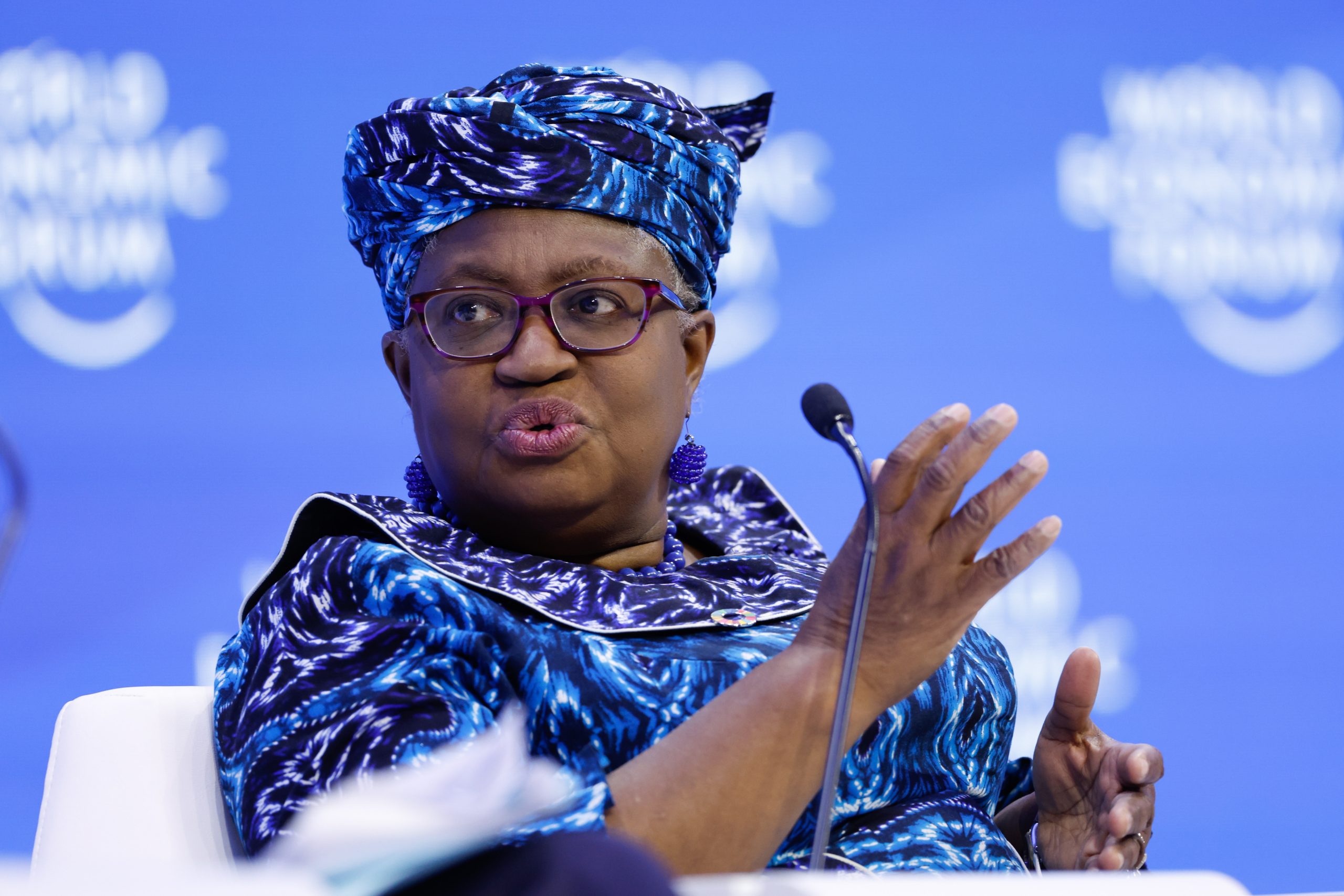
In the evolving architecture of global economic governance, the leadership of Ngozi Okonjo-Iweala marks more than a historic first. It represents a structural shift.
When she assumed office in March 2021 as Director-General of the World Trade Organization, she became the first woman and the first African to lead the 164-member institution. Yet history’s recognition of “firsts” is only the beginning.
The deeper question is what follows.
At a time defined by geopolitical fragmentation, supply chain recalibration, climate-linked trade debates and reform of multilateral institutions, her leadership sits at the center of rule-making that affects every developing economy, including those across Africa.
This is no longer symbolic representation.
It is embedded influence within global architecture.
A Career Forged in Reform and Institutional Discipline.
Born in Ogwashi-Ukwu, Delta State, Nigeria, Okonjo-Iweala’s intellectual foundation from Harvard University to a PhD in regional economics and development from MIT — shaped a technocratic approach grounded in rigor.
Her 25-year career at the World Bank culminated in her role as Managing Director, overseeing development portfolios across continents.
Her return to Nigeria as Minister of Finance twice placed her at the intersection of reform and resistance. The 2005 Paris Club debt relief agreement, which secured approximately $18 billion in debt cancellation, remains one of the most consequential fiscal restructurings in Nigeria’s history.
Her tenure consistently emphasized fiscal discipline, transparency and institutional strengthening, reinforcing a leadership style that privileges structure over spectacle.
Leading the WTO at a Defining Moment
When she took office, the WTO faced mounting challenges:
Paralysis in its dispute settlement mechanism
Intensifying US–China trade tensions
Pandemic-driven supply chain disruptions
Rising skepticism toward multilateralism
Under her stewardship, members concluded the 2022 Fisheries Subsidies Agreement — the first multilateral trade agreement reached in years. While limited in scope, it demonstrated that consensus in a fractured environment remains possible.
The task ahead remains formidable: restoring dispute settlement functionality, modernizing trade rules for digital commerce, integrating climate considerations into trade governance, and ensuring that developing economies are not structurally disadvantaged in negotiations.
These are architectural responsibilities.
And architecture determines durability.
What the Continent Looks Forward to Under Her Stewardship
Africa does not look at her leadership merely with admiration, but with expectation.
The Continent looks forward to:
A strengthened dispute settlement system that protects smaller economies.
Trade frameworks that recognize the development realities of emerging markets.
Alignment between WTO reforms and Africa’s Continental Free Trade ambitions.
Increased visibility for least-developed countries within rule-making processes.
Representation must evolve into power — power built upon competence, negotiation capacity and
institutional reinforcement.
Her position is a continental opening.
Sustaining the Moment Beyond the Mandate
Leadership at this level is time-bound.
Influence must therefore be institutionalized.
The responsibility does not rest on one office alone. It rests on the continent’s readiness to consolidate
the moment.
African governments must deepen trade negotiation capacity.
African universities must expand economic policy expertise.
African women must enter global economic institutions at scale.
Think tanks and policy councils must generate serious trade research aligned with continental strategy.
The question now is whether the continent will consolidate this moment, translating representation into
sustained influence.
History marks firsts.
Our institutions must define the future.
At the African Women Impact Council (AWIC), we recognize that representation within global governance must evolve into structured power, built, expanded and sustained.
Our Mandate is clear:
To build environments where African women are not only present in global systems, but equipped,
connected and positioned to shape, collaborate within, and redesign them.
Leadership at the highest level must be matched by continental infrastructure that multiplies it.
This requires strategic collaboration.
Closed-door economic dialogues.
Policy alignment forums.
Intergenerational mentorship between established leaders and emerging negotiators.
The rise of one must become the framework for many.
AWIC stands committed to ensuring that African women’s global leadership is not episodic, but architectural.
Okonjo-Iweala’s leadership signals that Africa’s intellectual authority is no longer peripheral to global
trade governance.
It is embedded within it.
Her tenure will be evaluated not by precedent, but by reform.
And reform, unlike symbolism, leaves systems behind.
Africa must move from applauding representation to engineering, and supporting influence.
African Women Impact Council (AWIC) A strategic leadership platform advancing African women across governance, enterprise and capital.
Quick Links
Get In Touch
African Women Impact Council © 2026. All Rights Reserved.